Do I need to study every day for this routine to work?
No. The routine is about making study days reliable, not forcing seven-day perfection. On lighter days, the evening reset still keeps momentum intact.
The best study routine is not the most aesthetic one. It is the one that survives real classes, interruptions, and low-energy days without forcing you to rebuild the system every morning.
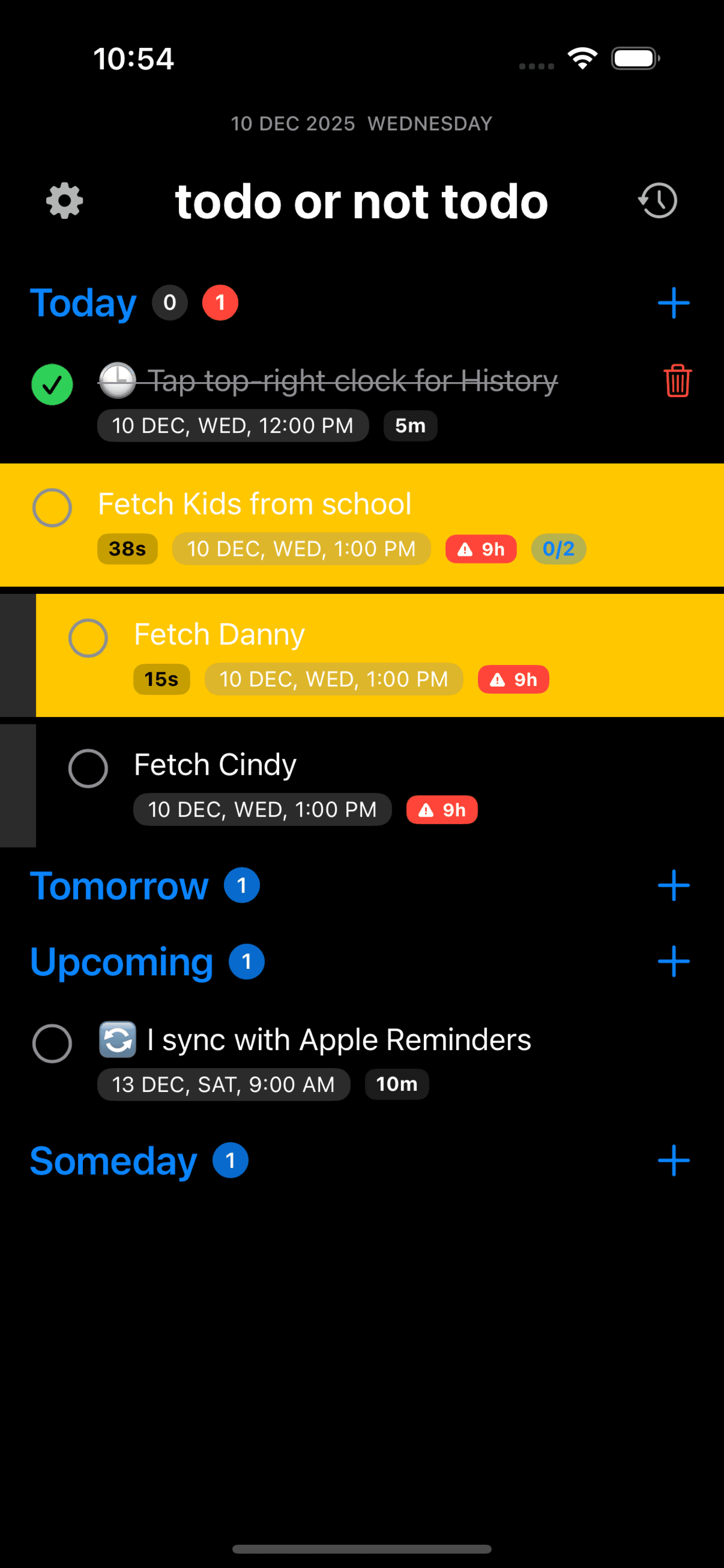
Morning planning should be short. The point is to pick the few tasks that actually fit today, not to reopen every course and feel behind before breakfast. A small amount of triage protects your attention for later.
This is also the right moment to decide which study block needs high energy and which task can sit in a transition window between classes.
The main challenge during the day is not always starting from zero. It is getting back into the right task after interruptions. That is why a visible next action matters more than a beautiful dashboard. If the next action is obvious, you can restart quickly.
Use active study formats whenever possible so the session itself keeps you engaged: practice questions, recall sheets, worked examples, or short summaries from memory.
A short evening reset stops tomorrow morning from becoming another planning session. Mark what moved, move what realistically needs tomorrow, and leave one visible first action.
This small closure routine is what makes the system feel stable over weeks instead of exciting for three days and abandoned by Friday.
No. The routine is about making study days reliable, not forcing seven-day perfection. On lighter days, the evening reset still keeps momentum intact.
That is exactly why the routine should stay lightweight. Use the same planning structure, but let the actual study windows flex around your real schedule.
Dartmouth guide
Princeton resource
2013
If you want a lighter execution layer after planning and study prep, TONT keeps the next task visible without turning your day into another maintenance project.
Explore TONT